
Case Studies

Our Work with Growing Businesses
What the owner was dealing with. What our observations found underneath it. What has been put in place.
Engagements span cash flow recovery, operational control and visibility, workflow redesign and automation, AI and data implementations, and operational support.
If you would like to hear more about the business behind any of these, get in touch.
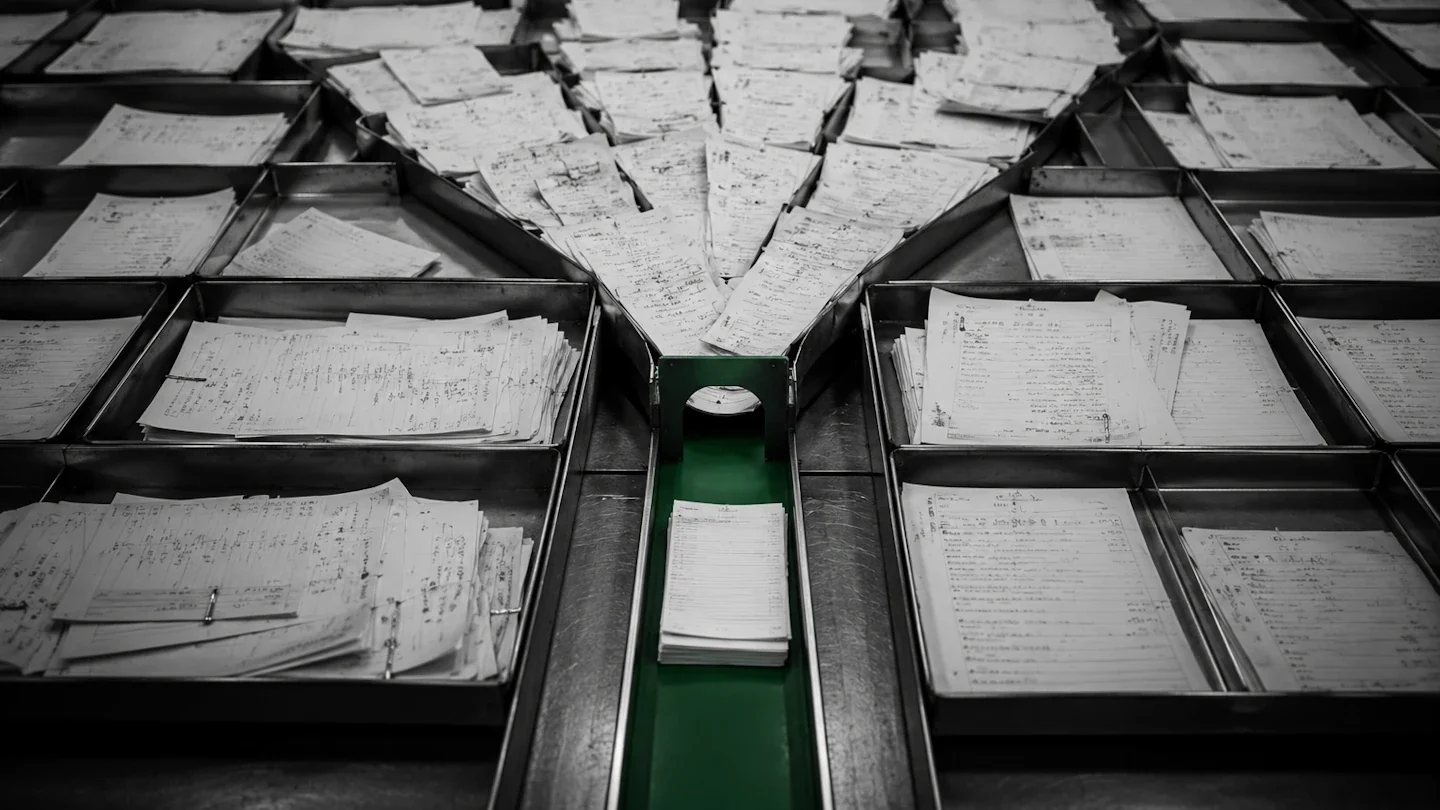
How does a butchery and deli taking 250 WhatsApp orders a day stop checking every one by hand?
A butchery and deli in South Africa was taking hundreds of WhatsApp orders a day in each customer's own words, with every one typed in by hand and checked line by line by the owner. We are building a Claude-powered order Agent that settles each order in the chat before it reaches the team.
Business: Butchery and Deli
Location: Johannesburg, South Africa
Size: In excess of 250 WhatsApp orders a day
Primary service: AI and Data Implementations
Secondary service: Workflow Redesign and Automation
Engagement mode: Design and Implement
Status: Delivery in progress
A butchery and deli in South Africa taking 250+ WhatsApp orders a day was losing accuracy and owner time to manual order checking. We were asked to find a fix. We diagnosed the root causes and designed a phased solution, starting with an order Agent that settles each order inside WhatsApp before it reaches the team.
What was the problem?
Orders arrive over WhatsApp in each customer's own words, and how a customer describes a product rarely matches how it is listed in the order system. Somebody has to bridge that gap on every order, all day. The clerk manually types each one into the order system, and the owner checks it line by line before it goes for fulfilment to the floor and factory. So the business runs at the speed of two people's attention. Get it wrong and the customer gets the wrong order, on the wrong day. It made for long days for everyone, and the owner was still checking orders at night.
What did we find?
Customer wording does not map to the product names in the order system, so matching depends on the one or two people who know both.
Orders are re-typed by hand from WhatsApp to Word or email to the order system, and each re-entry loses detail.
Special instructions get dropped or captured wrong. Thickness, vacuum-packing, make-and-freeze, delivery timing. These are the details that matter most for food safety and for keeping a customer.
Orders often leave out the detail the line needs, so it is read one way at entry and another at fulfilment. Most of it gets caught at review, which is why review takes so long.
What did we do?
Mapped the full order flow, from customer message to fulfilment, and named every role and handoff in it.
Diagnosed the operational root causes and set out where accuracy is lost.
Approached the fix as operational process improvement, redesigning how work moves before adding any tools, and scoped it in phases so the first phase stands on its own.
Designing and implementing a Claude-powered order Agent in WhatsApp that reads each free-text order, matches it to the product list, and asks the customer about anything unclear in the same chat until the order is settled. The customer never sees a product menu. They order the way they always have, in their own words.
Building the Agent read-only against the live business, testing against real historical orders before go-live.
What is in place so far?
The diagnosis and the phased plan are agreed with the owner, and the first phase is scoped to take the daily checking load off the owner without changing existing systems or roles. The Agent is being built and tested against the business's own past orders before it goes near a live customer. Measurable results will follow once it is live with the first customers. Two further phases are designed and ready when the business wants them. Connecting the settled order straight into the order system so it no longer has to be typed by hand, and using the same WhatsApp channel for confirmations, delivery updates, and reminders to regulars.
This case study is anonymised. If you would like to hear more about the business behind it, get in touch.
Not sure where to start?
Take our free Operational Health Check. It takes five minutes and shows you where to focus first. If you already know what needs fixing, book a call.

How does a distributor built on disconnected systems and one person's memory move to a single operating core?
A B2B industrial supplies distributor in South Africa had grown on several disconnected systems, spreadsheets, and one person's judgement. We are installing a single operating core so quotes, customers, inventory and pricing sit in one place, and the owner is no longer the only route through a decision.
Business: B2B industrial supplies distributor
Location: Cape Town, South Africa
Size: 13 staff, in excess of 30 quotes a day
Primary service: Operational Control and Visibility
Secondary services: Workflow Redesign and Automation, Cash Flow Recovery
Engagement mode: Design and Implement
Status: Delivery in progress
A B2B industrial supplies distributor in South Africa had grown on several disconnected systems, spreadsheets, and one person's judgement. GrowthPains is installing a single operating core so quotes, customers, inventory and pricing sit in one place, and the owner is no longer the only route through a decision.
What was the problem?
The founder put the starting point plainly: quoting, sales, and delivery. What was in the way:
Quotes took too long, with no quick way to see what a customer had ordered before, and repeat orders ran the same slow manual route as new ones.
The accounting system could only hold one price list, so complex customer pricing was a workaround and transport was recalculated by hand on nearly every quote.
Online shopping invoices were manually rekeyed in the accounting system.
Sales leads arriving across channels were hard to capture and then track to a sale, and there was no way to revive old customers.
The pricing decisions that mattered all sat with the founder. Two weeks away and quoting, banking, and marketing stalled.
No written procedures, and more than ten spreadsheets plugging gaps, each going stale.
What did we find?
Enquiries from five sources had nowhere central to land, so leads slipped and no one could see the end-to-end pipeline.
Customer records were created in several systems at once, with no authoritative version to trust.
Credit status and past pricing were invisible at the moment a quote was being prepared.
Nearly every decision depended on the owner, the single largest constraint on the business growing.
What did we do?
Documented the sales processes with a named owner agreed for each, and retired a redundant CRM software subscription, saving money each month that would have grown more costly as the business grows.
Installed one operating core system to replace the scattered tools and spreadsheets, keeping the accounting system as the financial ledger and the online store as the storefront.
Stood up a single sales pipeline that captures every enquiry and tracks it from first contact to paid, with one customer record consolidated from the separate systems.
Built a clear pricing structure by customer type, with credit status visible at the point of quoting.
What is in place so far?
The engagement is in delivery, so revenue results and all outcomes are not in yet. Already live: the team works one pipeline they were trained on by us, one customer record replaces the scattered copies, and a prioritised list of 30 findings is agreed and being worked through.
This case study is anonymised. If you would like to hear more about the business behind it, get in touch.
Not sure where to start?
Take our free Operational Health Check. It takes five minutes and shows you where to focus first. If you already know what needs fixing, book a call.