
Case Studies

Our Work with Growing Businesses
What the owner was dealing with. What our observations found underneath it. What has been put in place.
Engagements span cash flow recovery, operational control and visibility, workflow redesign and automation, AI and data implementations, and operational support.
If you would like to hear more about the business behind any of these, get in touch.
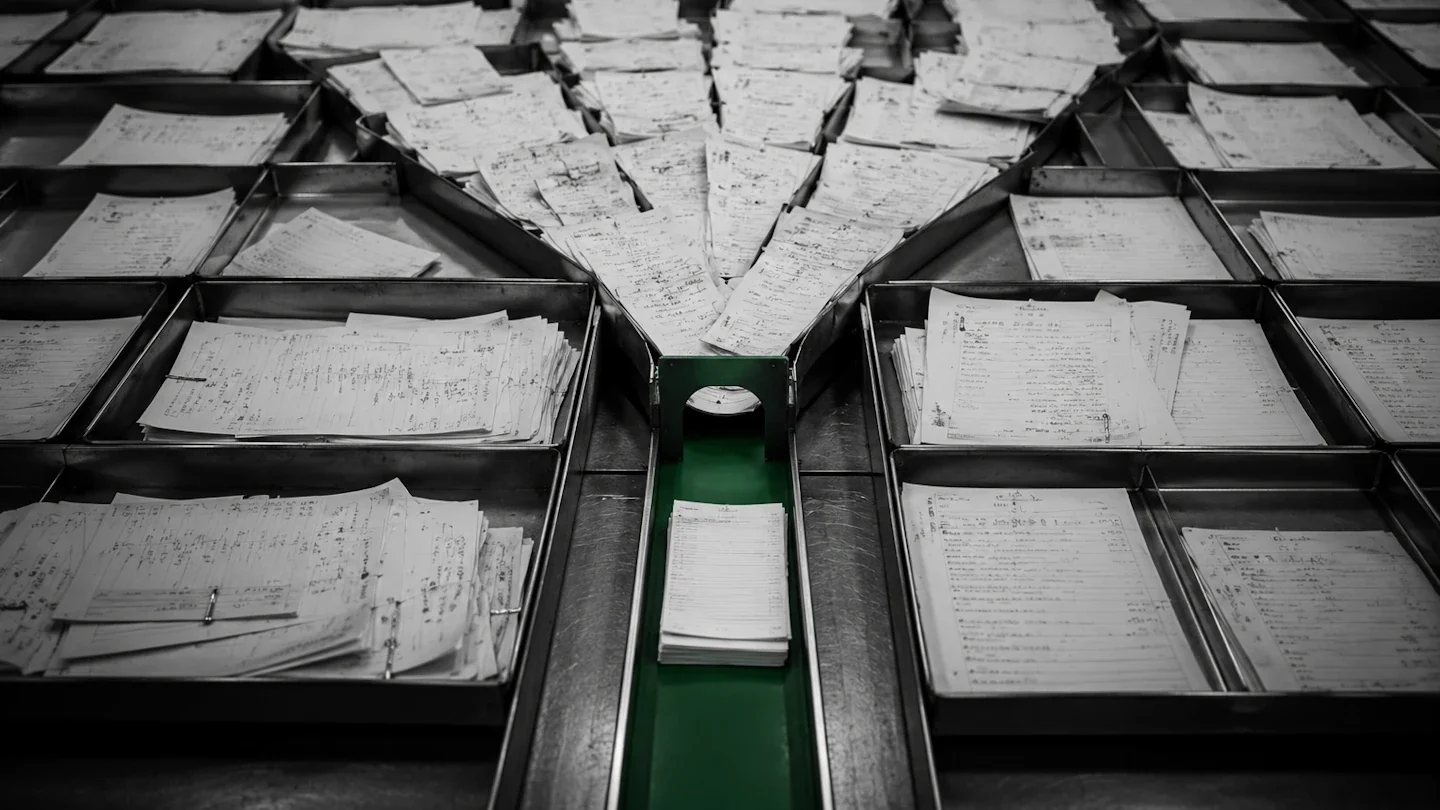
How does a butchery and deli taking 250 WhatsApp orders a day stop checking every one by hand?
A butchery and deli in South Africa was taking hundreds of WhatsApp orders a day in each customer's own words, with every one typed in by hand and checked line by line by the owner. We are building a Claude-powered order Agent that settles each order in the chat before it reaches the team.
Business: Butchery and Deli
Location: Johannesburg, South Africa
Size: In excess of 250 WhatsApp orders a day
Primary service: AI and Data Implementations
Secondary service: Workflow Redesign and Automation
Engagement mode: Design and Implement
Status: Delivery in progress
A butchery and deli in South Africa taking 250+ WhatsApp orders a day was losing accuracy and owner time to manual order checking. We were asked to find a fix. We diagnosed the root causes and designed a phased solution, starting with an order Agent that settles each order inside WhatsApp before it reaches the team.
What was the problem?
Orders arrive over WhatsApp in each customer's own words, and how a customer describes a product rarely matches how it is listed in the order system. Somebody has to bridge that gap on every order, all day. The clerk manually types each one into the order system, and the owner checks it line by line before it goes for fulfilment to the floor and factory. So the business runs at the speed of two people's attention. Get it wrong and the customer gets the wrong order, on the wrong day. It made for long days for everyone, and the owner was still checking orders at night.
What did we find?
Customer wording does not map to the product names in the order system, so matching depends on the one or two people who know both.
Orders are re-typed by hand from WhatsApp to Word or email to the order system, and each re-entry loses detail.
Special instructions get dropped or captured wrong. Thickness, vacuum-packing, make-and-freeze, delivery timing. These are the details that matter most for food safety and for keeping a customer.
Orders often leave out the detail the line needs, so it is read one way at entry and another at fulfilment. Most of it gets caught at review, which is why review takes so long.
What did we do?
Mapped the full order flow, from customer message to fulfilment, and named every role and handoff in it.
Diagnosed the operational root causes and set out where accuracy is lost.
Approached the fix as operational process improvement, redesigning how work moves before adding any tools, and scoped it in phases so the first phase stands on its own.
Designing and implementing a Claude-powered order Agent in WhatsApp that reads each free-text order, matches it to the product list, and asks the customer about anything unclear in the same chat until the order is settled. The customer never sees a product menu. They order the way they always have, in their own words.
Building the Agent read-only against the live business, testing against real historical orders before go-live.
What is in place so far?
The diagnosis and the phased plan are agreed with the owner, and the first phase is scoped to take the daily checking load off the owner without changing existing systems or roles. The Agent is being built and tested against the business's own past orders before it goes near a live customer. Measurable results will follow once it is live with the first customers. Two further phases are designed and ready when the business wants them. Connecting the settled order straight into the order system so it no longer has to be typed by hand, and using the same WhatsApp channel for confirmations, delivery updates, and reminders to regulars.
This case study is anonymised. If you would like to hear more about the business behind it, get in touch.
Not sure where to start?
Take our free Operational Health Check. It takes five minutes and shows you where to focus first. If you already know what needs fixing, book a call.
Bringing operational control to goods receiving at a meat wholesaler
A wholesale meat business in Johannesburg brought us in to tighten operational control over goods receiving. The process is now fully documented, the control gaps identified, and an optimised design ready to put in place.
Business: Wholesale meat merchant
Location: Johannesburg, South Africa
Size: Part of an owner-led group spanning indoor golf, restaurant, coffee shop, deli, 3 butcheries, and wholesale
Primary service: Operational Control and Visibility
Secondary service: Cash Flow Recovery
Engagement mode: Review and Assess
Status: Handed Over (Phase 1)
A wholesale meat business in Johannesburg brought us in to tighten operational control over goods receiving. The process is now fully documented, the control gaps identified, and an optimised design is ready to put in place.
What was the problem?
The business was growing, but too much of how it ran lived in a few people's heads. The owner wanted the operation tightened and made to stick, starting at the point where stock comes in the door, because that is where money quietly leaks. Receiving worked, but nobody could say with confidence that every delivery was received, recorded, and paid for correctly.
What did we find?
One person both owned and signed off receiving, so there was no independent check on changes or escalations. Growing key-person dependency.
Short-delivery credit notes and price checks lived on paper and WhatsApp, not in the system of record, so nothing reliably linked what was owed back to what was received.
Nothing recorded what was ordered, and at what agreed price, before a delivery arrived, so the team could only ever check part of the picture.
The same received-against-invoice check was repeated by up to three people, tying up management time while no one clearly owned the control.
What did we do?
Documented and mapped the whole receiving process end to end, exactly as it runs, replacing knowledge held in individuals.
Ran a structured operational review across process, workflow, systems, finance, and control, and pinned down the root causes above.
Designed the improved version with a single clear owner, a separate senior sponsor, defined measures, and a handoff that no longer stalls on one person.
What is in place so far?
The leadership team now has one shared, documented view of how receiving runs and where the control gaps sit, plus an optimised design ready to walk through and implement. This is the first process in a phased plan to bring the same operational control and performance visibility across the wider operation.
This case study is anonymised. If you would like to hear more about the business behind it, get in touch.
Not sure where to start?
Take our free Operational Health Check. It takes five minutes and shows you where to focus first. If you already know what needs fixing, book a call.